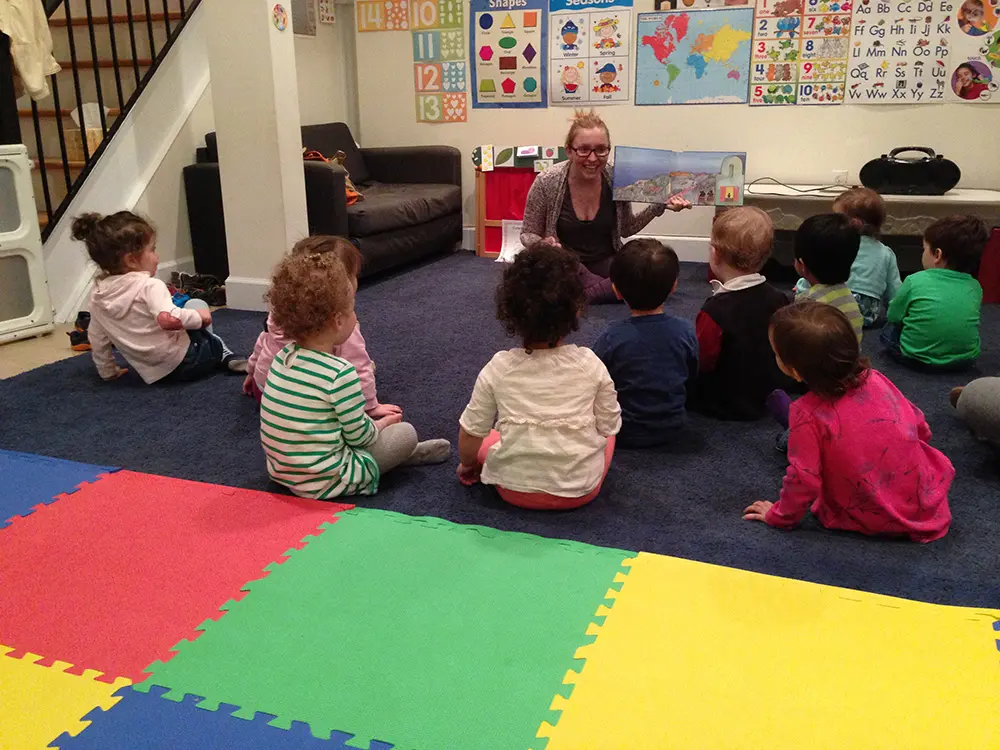
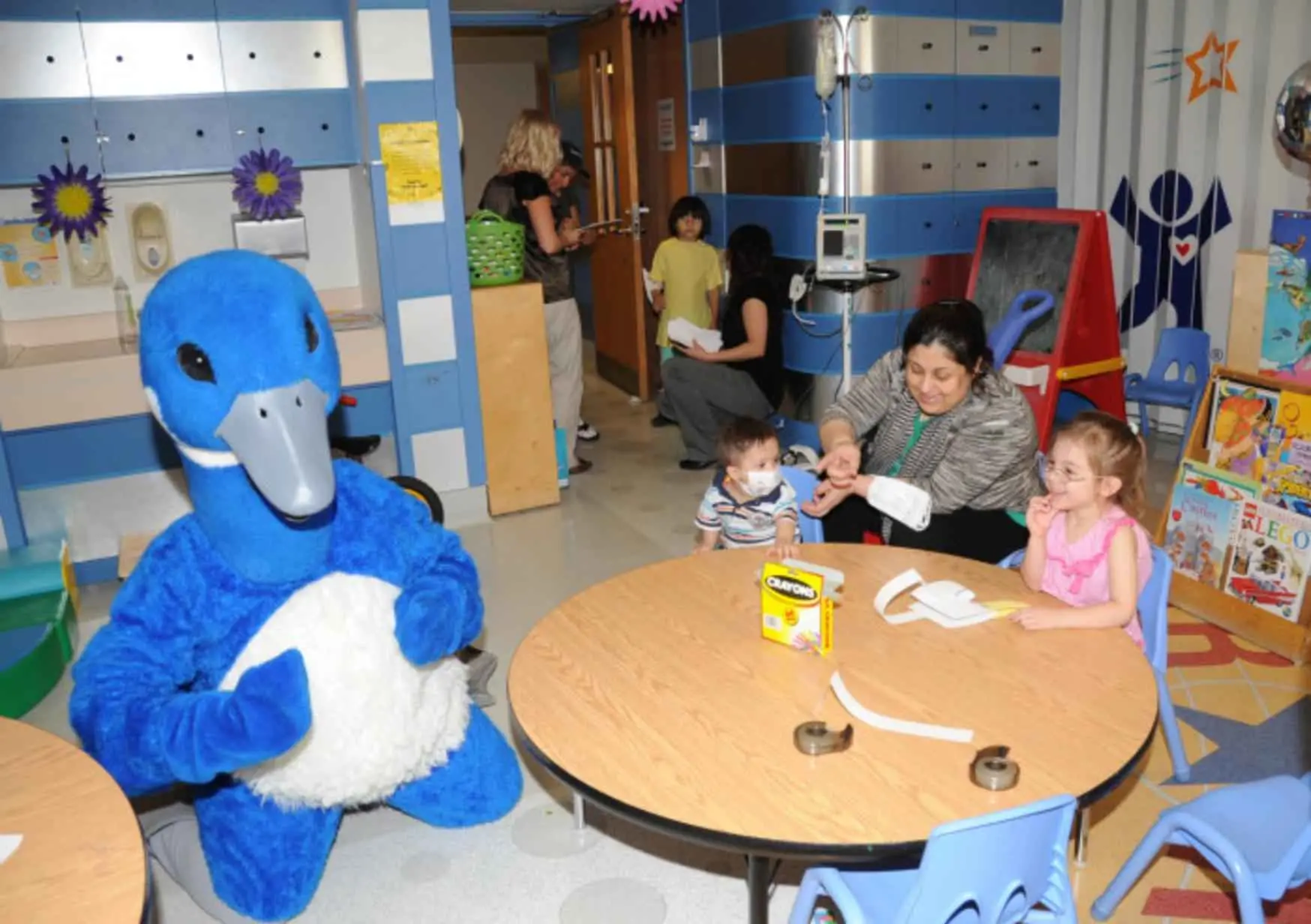
Young children often cooperate more easily when they know what comes next. A simple sequence—wake up, get dressed, eat, brush teeth, gather the bag, and leave—can reduce the number of decisions in an already busy hour. Pictures can help children who are not yet reading follow the order.
Creating Smoother Morning Routines for Young Children
Family Guides
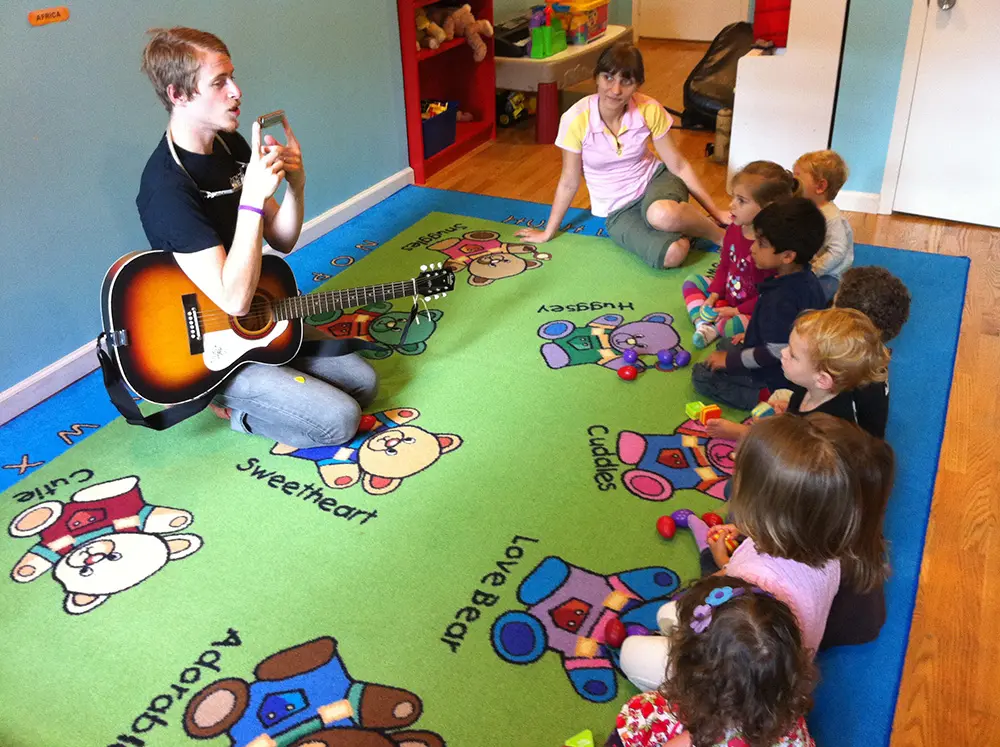
Make the sequence easier to predict
The goal is not a minute-by-minute schedule. It is a recognizable pattern with enough flexibility for a slow breakfast, a missing shoe, or a child who needs extra connection.
Move decisions out of the morning
Pack permitted supplies and spare clothing the night before
Offer two acceptable clothing choices instead of an open-ended decision
Keep daily essentials in one consistent place near the door
Check the program calendar before bedtime for special items or schedule changes
Build in connection, not just efficiency
A morning can be efficient and still feel difficult if every interaction is a command. Even a few minutes of undivided attention—reading a short book, talking during breakfast, or choosing a song for the trip—can give a child a sense of connection before separation.
When resistance appears, name the feeling while keeping the boundary clear: it is understandable to want more time at home, and it is still time to leave. Empathy does not require reopening every decision.
Adjust the routine using real patterns
If mornings remain consistently hard, look for the point where they usually unravel. The child may be tired, hungry, rushed, overwhelmed by choices, or worried about goodbye. Change one part of the routine at a time so you can tell what actually helps.
Share persistent transition difficulties with the child care program and ask what staff observe after arrival. Families and educators may see different parts of the same pattern, and combining those observations can reveal a more useful next step.
Let the clock do some of the talking
Young children argue less with a timer or a checklist than with a parent. A simple picture list of the morning steps, a sand timer for getting dressed, or a consistent song that means shoes-on moves the instruction out of your voice and into the routine. Many children enjoy checking steps off themselves, and the sense of running their own morning often buys real cooperation.
Keep the tools boring and consistent rather than exciting and new. The point of a morning cue is that it is always the same — the same song, the same order, the same place on the wall. Novelty wakes up negotiation; familiarity puts it to sleep.
Prepare for the mornings that go sideways
Some mornings will fall apart regardless of the plan — a bad night, a lost shoe, a child who simply cannot today. It helps to know in advance what actually must happen: dressed, fed something, out the door. Everything else — the matching socks, the tidy hair, the finished puzzle — can be let go on a hard day without anything important being lost.
Keep a small buffer for those days: a breakfast that can travel, a spare set of essentials by the door, five minutes of slack in the schedule. A rough morning handled calmly teaches a child more about handling hard moments than a smooth one ever does — and it does not predict the rest of their day, which usually resets within minutes of arrival.
Make drop-off the end of the routine, not a cliff
The morning routine should flow into the goodbye rather than stopping at the door. Arriving with a few unhurried minutes lets the child put their things away, settle into the room, and finish the sequence they started at home. A rushed handoff at the busiest moment of the room's morning is the hardest possible ending.
Close with the same short ritual every day — a hug, one sentence, a wave from the window — and let the teacher take it from there. Naming what comes next, like being back after outdoor play, gives the child a concrete anchor, and keeping the promise builds the trust that eventually makes goodbyes easy.